Top 10 Free AI Tools for 2026: Boost Productivity & Workflow

The Democratization of AI: Essential Free Tools for 2026
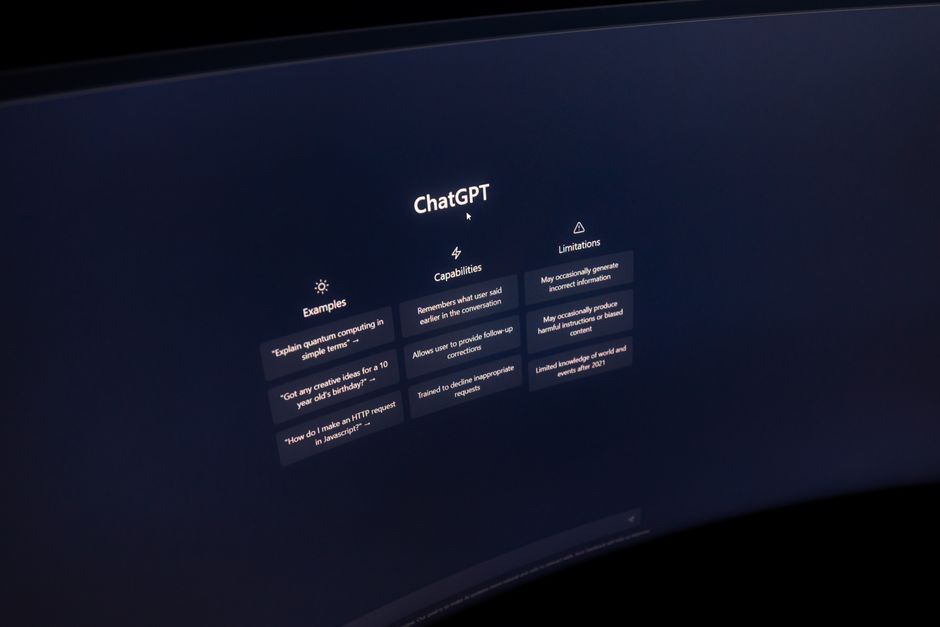
Photo by Matheus Bertelli on Pexels
Artificial intelligence has moved beyond the exclusive domain of large corporations. By 2026, the digital landscape has been transformed by a robust ecosystem of high-performing AI tools that are accessible at no cost.
These platforms allow students, researchers, and small business owners to automate complex tasks, enhance creative output, and compete effectively in an increasingly digital economy.
This guide identifies the most effective, high-utility tools available to maximize your productivity.
Top 10 High-Performance Free AI Tools
Photo by Solen Feyissa on Pexels
The following tools have been selected for their reliability, utility, and generous free-tier offerings, which provide significant value without requiring a subscription.
ChatGPT (OpenAI): The industry standard for conversational AI. It is ideal for brainstorming, drafting documents, and iterative problem-solving.
NotebookLM (Google): A sophisticated research assistant that allows users to upload documents to create a "grounded" knowledge base. It is highly effective for synthesizing complex reports and academic literature.
Canva: While known for design, its AI-integrated "Magic Studio" tools allow users to generate professional-grade visuals and presentations with minimal effort.
Fathom: An AI meeting assistant that records, transcribes, and summarizes calls. It is a vital tool for professionals looking to automate administrative follow-ups from Zoom or Google Meet.
DeepSeek: A powerful open-weights model that excels in technical reasoning, coding, and mathematical logic. It serves as a high-performance alternative for developers.
Grammarly: The foundational tool for written communication. Its free tier provides essential grammar, punctuation, and tone checking to ensure professional clarity.
Perplexity: An AI-powered search engine that provides concise, cited answers to queries. It is a superior tool for fact-based research compared to traditional keyword search engines.
Gamma: A generative tool that builds slide decks and webpages from text prompts, significantly reducing the time required for layout and formatting.
QuillBot: A writing assistant focused on paraphrasing and structural refinement. It is particularly useful for improving the flow and readability of academic or professional text.
Runway (Gen-2/Gen-3): A creative suite for video generation and editing. It allows users to create high-quality cinematic assets from simple text or image prompts.
Comparison of Key Productivity Tools
Tool | Primary Function | Best User Group |
ChatGPT | General Reasoning | General Users |
NotebookLM | Contextual Research | Students/Researchers |
Fathom | Meeting Automation | Business Professionals |
Canva | Visual Asset Creation | Marketers/Students |
DeepSeek | Coding & Logic | Developers |
Strategic Implementation

Selecting the Right Tool
Success with AI in 2026 relies on selecting the right tool for the specific task. For general productivity, ChatGPT and Perplexity provide the broadest utility.
For specialized workflows, such as organizing large volumes of research data, NotebookLM is currently the superior option due to its ability to process user-provided source material.
Building a Free AI Stack for Business
Small business owners can create a comprehensive operational stack without upfront costs.
Fathom handles meeting documentation, Canva manages marketing collateral, and ChatGPT serves as a versatile assistant for customer communication and strategy.
These tools, when used in tandem, provide capabilities that previously required expensive enterprise-grade software.
Maximizing Student Efficiency
Students should prioritize tools that aid in comprehension and academic integrity.
NotebookLM assists in synthesizing course materials, Perplexity facilitates accurate research, and Grammarly ensures professional presentation.
Users should note that while most of these tools offer free versions, they often operate on "freemium" models; users should always verify the limitations of the free tier before integrating them into critical workflows.
Conclusion
The accessibility of AI in 2026 allows for a significant increase in individual output. By integrating these tools into your daily routine, you can streamline workflows and focus on high-value cognitive tasks.
We recommend testing these tools individually to determine which best complements your existing habits, allowing you to achieve more with greater precision and speed.
Comments